
Structural Defects After Possession
Structural Defects After Possession
Are you facing any of these real estate dispute issues? We’re here to help.
• Property possession delayed or wrongly denied by the builder or seller.
• Title, ownership, or agreement-related disputes affecting your rights.
• Builder failed to deliver promised amenities or construction quality.
Localized Real Estate Dispute Practice in Bhopal
We handle real estate disputes before Bhopal courts and RERA authorities, ensuring fast, effective protection of your property and investment.
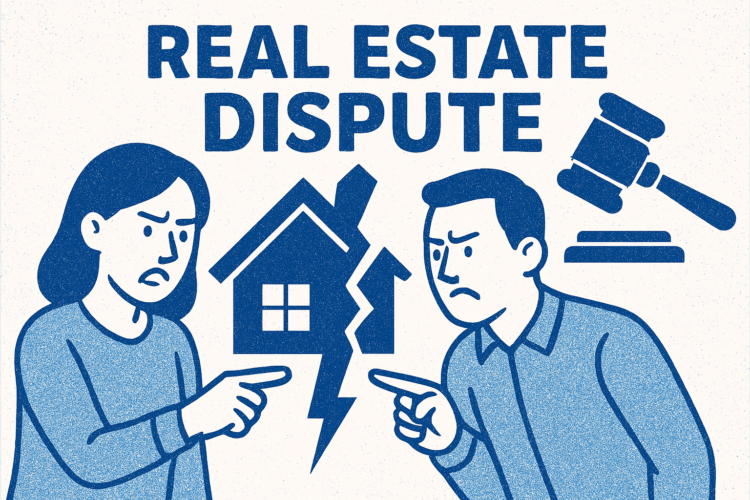
What Is Real Estate and a Real Estate Dispute?
Common Reasons for Real Estate Disputes
Ownership & Title Disputes
Disagreements occur when property ownership is unclear, documents are forged, or multiple parties claim rights over the same property.
Delay in Possession
Builders fail to hand over possession within the promised timeline, causing financial loss, rent burden, and mental stress to buyers.
Agreement Breach
Violations of builder-buyer agreements, including changes in layout, amenities, or construction quality without consent.
Refund & Payment Issues
Refunds are delayed or denied after project cancellation, booking cancellation, or builder default, leading to legal disputes.
Structural Defects After Possession
Structural defects after possession are serious problems that appear in a flat or building after the buyer has taken possession. These defects affect the safety, strength, and stability of the property. For example, issues like cracks in columns, leakage from slabs, weak foundations, or poor construction quality fall under structural defects. Many buyers believe problems after possession are their responsibility; however, this is not always true.
In most cases, the builder remains responsible for construction quality even after possession. Therefore, if such defects arise within a reasonable time, the buyer has the legal right to take action. Moreover, these defects may reduce property value and also put lives at risk. Because of this, the law offers protection to homebuyers.
Importantly, buyers must document the defects properly. Additionally, expert inspection reports strengthen the case. In short, understanding your rights early helps you avoid long-term losses and unnecessary repair costs.
Common Types of Structural Defects Found in Buildings
Structural defects can vary in severity, but many are commonly reported by homeowners. Identifying them early helps prevent further damage. Some defects may look minor at first; however, they often indicate deeper construction issues.
Common structural defects include:
-
Cracks in beams, walls, or columns
-
Water seepage through slabs and ceilings
-
Uneven flooring or sinking foundation
-
Weak pillars or load-bearing walls
-
Poor-quality concrete or steel usage
Although builders may claim normal wear and tear, these issues are rarely harmless. Therefore, it is important to compare the condition with approved building plans. Furthermore, getting a civil engineer’s opinion adds clarity.
As a result, buyers can clearly differentiate between cosmetic problems and serious structural failures. Early identification also increases the chances of successful legal action against the builder.
Legal Responsibility of Builder After Possession
Many buyers think the builder’s duty ends once possession is handed over. However, this is not true. Under property and consumer laws, builders remain responsible for structural defects for a specific period.
If defects occur due to poor design, substandard materials, or unsafe construction methods, the builder is legally liable. Moreover, builders cannot escape responsibility by inserting unfair clauses in agreements. Therefore, buyers should carefully review the sale agreement before accepting excuses.
Additionally, the law allows buyers to demand:
-
Free repair of defects
-
Compensation for losses
-
Refund in extreme cases
Hence, builders must deliver structurally safe homes, not just completed ones. Taking prompt legal steps ensures builders are held accountable and buyers are protected.
How to Take Legal Action for Structural Defects?
Taking legal action may sound complex, but the process is straightforward when done correctly. First, the buyer should notify the builder in writing and give reasonable time for repairs.
If the builder ignores the complaint, the buyer can proceed further. Common legal steps include:
-
Sending a legal notice
-
Filing a complaint before consumer courts
-
Approaching real estate regulatory authorities
-
Seeking compensation or repair orders
Meanwhile, collecting documents is crucial. These include possession letters, inspection reports, photographs, and expert opinions. Furthermore, legal guidance improves success chances.
Therefore, instead of spending money on repeated repairs, buyers should assert their rights. Legal action not only resolves the issue but also prevents future negligence by builders.
Why Early Legal Advice Matters?
Early legal advice plays a key role in structural defect cases. Often, buyers delay action hoping the builder will cooperate. Unfortunately, delays weaken claims and increase repair costs.
A lawyer helps assess whether the issue qualifies as a structural defect. Moreover, legal experts guide buyers on the right forum and documents needed. As a result, the case becomes stronger and faster.
Additionally, early advice helps avoid common mistakes such as accepting verbal assurances or signing repair waivers. Therefore, professional guidance ensures your rights remain protected.
In conclusion, if you notice structural defects after possession, do not ignore them. Acting early saves money, protects safety, and ensures justice.
Other Real Estate Dispute Services:-
How Can Prospect Legal Help You?
At Prospect Legal, we provide strategic and reliable legal assistance for all kinds of real estate disputes. Our team works closely with buyers, property owners, and investors to protect their legal and financial interests.
We assist you with:
-
Verification of property title, ownership documents, and approvals
-
Handling delayed possession and incomplete construction matters
-
Drafting and reviewing builder-buyer agreements and sale deeds
-
Recovery of refunds and compensation from builders or developers
-
Representation before RERA authorities, civil courts, and tribunals
-
Issuing legal notices and managing negotiations or litigation
Our approach is focused on timely resolution, transparency, and strong legal protection at every stage.

Frequently Asked Questions (FAQs)
1. What is considered a structural defect after possession?
2. Can I take legal action if defects appear years after possession?
3. Is the builder responsible for repairs after possession?
4. What documents are required to file a complaint?
5. Can I claim compensation along with repairs?
Contact Prospect Legal for Further Assistance
If you are facing a real estate dispute or need legal guidance before taking the next step, get in touch with Prospect Legal today. Our team is ready to review your case and provide clear, practical legal solutions. Call us, message us on WhatsApp, or visit our office to schedule a consultation and protect your property rights with confidence.
Reach out today to discuss your case with our legal team.
📞 Phone: +91 7000127225
📧 Email: prospectlegalbpl@gmail.com
Get Structural Defects After Possession In Your City
We advise clients across Madhya Pradesh and all major Indian cities. Pick your city and our team calls you back — usually the same day.